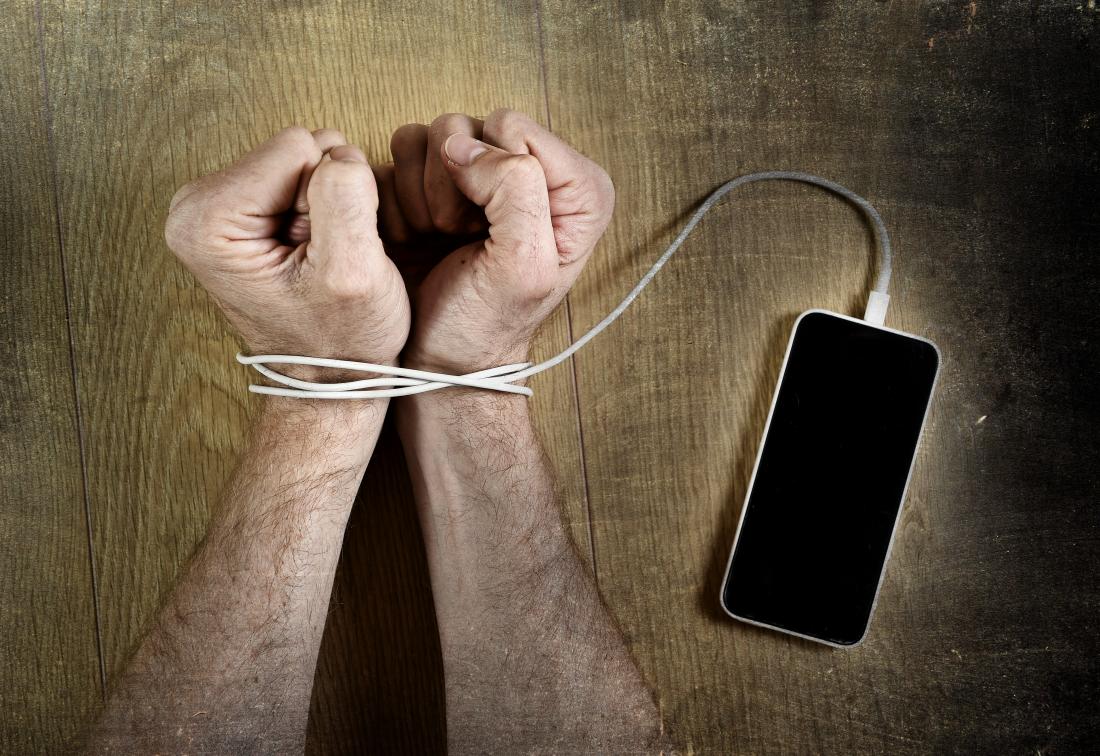
Like other types of behavioral addictions, using social media can influence your brain in harmful ways. You may use social media compulsively and excessively. You can become so accustomed to scrolling through posts, images, and videos that it interferes with other areas of your life.
Not everyone who uses social media will develop an addiction. Since this activity is becoming more accessible to more people, though, more people may develop an addiction to social media at some point in their lives.
Why is social media so addicting?
While social media can seem like mindless and relaxing fun, it actually has a significant effect on your brain.
Whenever you log on to your favorite apps, dopamine signals in your brain increase. These neurotransmitters are associated with pleasure.
When you experience more dopamine after using social media, your brain identifies this activity as a rewarding one that you ought to repeat. Such a reaction may be more felt whenever you make a post of your own and gain positive feedback.
The positive feelings experienced during social media use are only temporary. The way your brain engages in this positive reinforcement is also seen in other addictions.
Thus, as the feel-good dopamine wears off, you’ll go back to the source (in this case, social media) for more.
In some cases, social media can be a welcome distraction if you’re isolated due to work or an illness. The more you engage, the more your brain will tell you that this is an activity that can help reduce loneliness (which may not necessarily be the case, actually).
As we had seen the downsides of social media in my previous post. Now,Let's see how Modifying social media usage can improve mental health.
1: Reduce time online
A 2018 University of Pennsylvania study found that reducing social media use to 30 minutes a day resulted in a significant reduction in levels of anxiety, depression, loneliness, sleep problems, and FOMO. But you don’t need to cut back on your social media use that drastically to improve your mental health. The same study concluded that just being more mindful of your social media use can have beneficial results on your mood and focus.
While 30 minutes a day may not be a realistic target for many of us, we can still benefit from reducing the amount of time we spend on social media. For most of us, that means reducing how much we use our smartphones. The following tips can help:
1.Use an app to track how much time you spend on social media each day. Then set a goal for how much you want to reduce it by.
2.Turn off your phone at certain times of the day, such as when you’re driving, in a meeting, at the gym, having dinner, spending time with offline friends, or playing with your kids. Don’t take your phone with you to the bathroom.
3.Don’t bring your phone or tablet to bed. Turn devices off and leave them in another room overnight to charge.
4.Disable social media notifications. It’s hard to resist the constant buzzing, beeping, and dinging of your phone alerting you to new messages. Turning off notifications can help you regain control of your time and focus.
5.Limit checks. If you compulsively check your phone every few minutes, wean yourself off by limiting your checks to once every 15 minutes. Then once every 30 minutes, then once an hour. There are apps that can automatically limit when you’re able to access your phone.
6.Try removing social media apps from your phone so you can only check Facebook, Twitter and the like from your tablet or computer. If this sounds like too drastic a step, try removing one social media app at a time to see how much you really miss it.
Step 2: Change your focus
Many of us access social media purely out of habit or to mindlessly kill moments of downtime. But by focusing on your motivation for logging on, you can not only reduce the time you spend on social media, you can also improve your experience and avoid many of the negative aspects.
If you’re accessing social media to find specific information, check on a friend who’s been ill, or share new photos of your kids with family, for example, your experience is likely to be very different than if you’re logging on simply because you’re bored, you want to see how many likes you got from a previous post, or to check if you’re missing out on something.
Next time you go to access social media, pause for a moment and clarify your motivation for doing so.
Are you using social media as a substitute for real life? Is there a healthier substitute for your social media use? If you’re lonely, for example, invite a friend out for coffee instead. Feeling depressed? Take a walk or go to the gym. Bored? Take up a new hobby. Social media may be quick and convenient, but there are often healthier, more effective ways to satisfy a craving.
Are you an active or a passive user on social media? Passively scrolling through posts or anonymously following the interaction of others on social media doesn’t provide any meaningful sense of connection. It may even increase feelings of isolation. Being an active participant, though, will offer you more engagement with others.
Does social media leave you feeling inadequate or disappointed about your life? You can counter symptoms of FOMO by focusing on what you have, rather than what you lack. Make a list of all the positive aspects of your life and read it back when you feel you’re missing out on something better. And remember: no one’s life is ever as perfect as it seems on social media. We all deal with heartache, self-doubt, and disappointment, even if we choose not to share it online.
Step 3: Spend more time with offline friends
We all need the face-to-face company of others to be happy and healthy. At its best, social media is a great tool for facilitating real-life connections. But if you’ve allowed virtual connections to replace real-life friendships in your life, there are plenty of ways to build meaningful connections without relying on social media.
Set aside time each week to interact offline with friends and family. Try to make it a regular get-together where you always keep your phones off.
If you’ve neglected face-to-face friendships, reach out to an old friend (or an online friend) and arrange to meet up. If you both lead busy lives, offer to run errands or exercise together.
Join a club. Find a hobby, creative endeavor, or fitness activity you enjoy and join a group of like-minded individuals that meet on a regular basis.
Don’t let social awkwardness stand in the way. Even if you’re shy, there are proven techniques to overcome insecurity and build friendships.
If you don’t feel that you have anyone to spend time with, reach out to acquaintances. Lots of other people feel just as uncomfortable about making new friends as you do—so be the one to break the ice. Invite a coworker out for lunch or ask a neighbor or classmate to join you for coffee.
Interact with strangers. Look up from your screen and connect with people you cross paths with on public transport, at the coffee shop, or in the grocery store. Simply smiling or saying hello will improve how you feel—and you never know where it may lead.
Step 4: Express gratitude
Feeling and expressing gratitude about the important things in your life can be a welcome relief to the resentment, animosity, and discontent sometimes generated by social media.
Take time for reflection. Try keeping a gratitude journal or using a gratitude app. Keep track of all the great memories and positives in your life—as well as those things and people you’d miss if they were suddenly absent from your life. If you’re more prone to venting or negative posts, you can even express your gratitude on social media—although you may benefit more from private reflection that isn’t subject to the scrutiny of others.
Practice mindfulness. Experiencing FOMO and comparing yourself unfavorably to others keeps you dwelling on life’s disappointments and frustrations. Instead of being fully engaged in the present, you’re focused on the “what ifs” and the “if onlys” that prevent you from having a life that matches those you see on social media. By practicing mindfulness, you can learn to live more in the present moment, lessen the impact of FOMO, and improve your overall mental wellbeing.
Volunteer. Just as human beings are hard-wired to seek social connection, we’re also hard-wired to give to others. Helping other people or animals not only enriches your community and benefits a cause that’s important to you, but it also makes you feel happier and more grateful.
Come out of addiction,Develop a Hobby,Focus on your Goals,Acheive Them,Stay Happy. Remember "We Live Only Once".
source:https://www.helpguide.org/
Comments
Post a Comment